**The Rise of Deepfake Technology and Its Impact on Detroit Complaints**
Category : | Sub Category : Posted on 2024-10-05 22:25:23
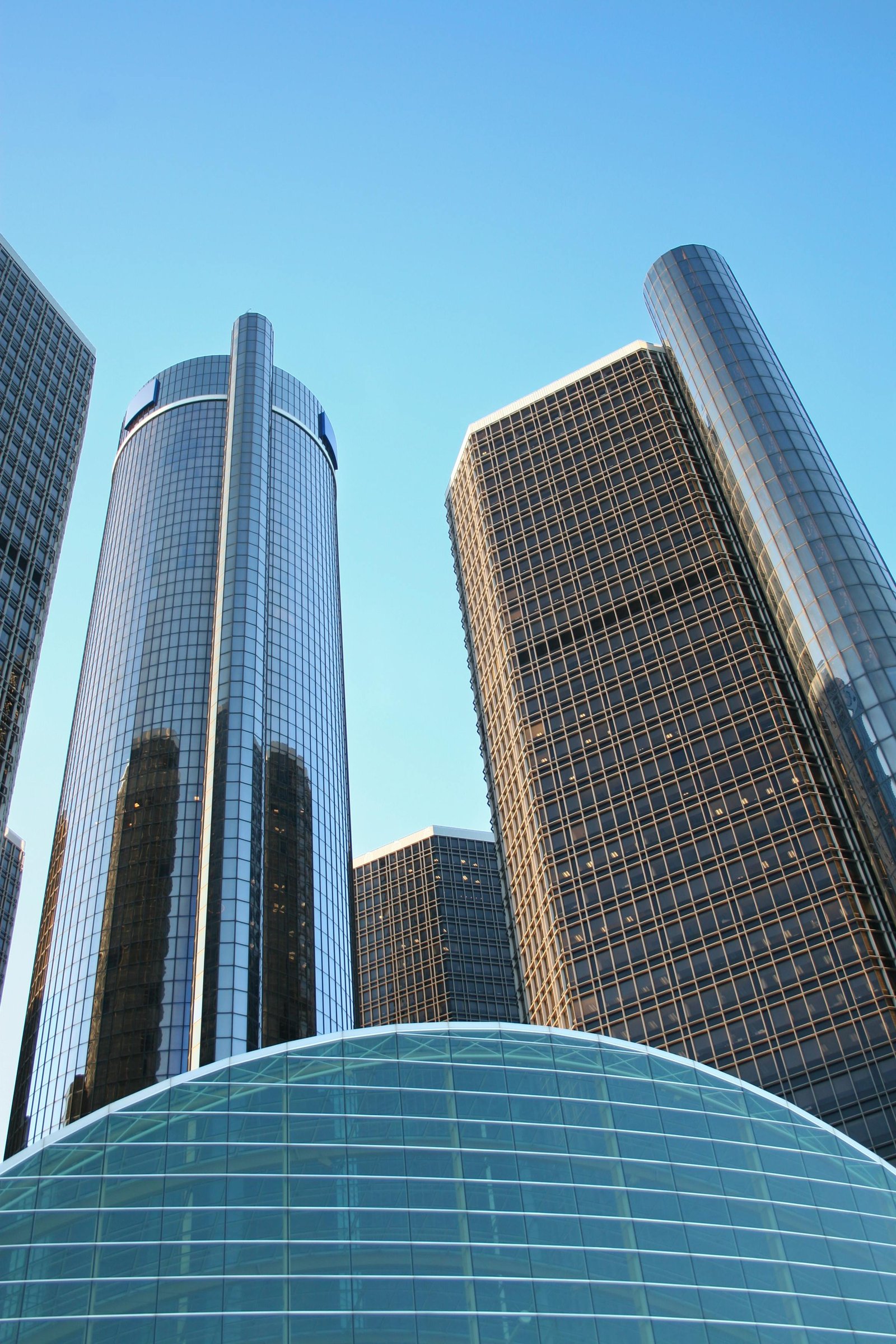
In recent years, the advancement of deepfake technology has raised concerns and sparked debates about its potential consequences on various aspects of society. One area that has been particularly affected is the handling of complaints and grievances in cities like Detroit. Deepfake technology allows individuals to create highly realistic fake videos and audio recordings by using artificial intelligence and machine learning algorithms. These synthetic media can be used to manipulate and distort information, leading to misinformation and confusion. In the context of Detroit complaints, deepfakes have the potential to exacerbate the already intricate and sensitive process of addressing and resolving issues within the city. One major concern surrounding deepfake technology in the context of Detroit complaints is the possibility of creating false evidence or misleading content to support or dismiss certain complaints. For example, deepfakes could be used to incriminate innocent individuals or discredit legitimate grievances, undermining the credibility of the complaint resolution process. Moreover, deepfakes can also be employed to impersonate city officials or influencers, spreading misinformation and manipulating public opinion on certain complaints. This kind of manipulation can have far-reaching consequences, leading to distrust in the system and hindering the ability of authorities to effectively address complaints and improve the city's overall well-being. To combat the negative impact of deepfakes on Detroit complaints, it is crucial for the city's administration to stay vigilant and invest in robust systems for detecting and verifying the authenticity of digital content. This may involve implementing advanced technologies for detecting deepfakes, as well as promoting media literacy and critical thinking skills among the residents to help them differentiate between real and fake information. In conclusion, the rise of deepfake technology presents new challenges for managing complaints in cities like Detroit. By understanding the potential risks and taking proactive measures to address them, the city can navigate the complex landscape of synthetic media and ensure that complaints are handled with integrity, transparency, and fairness for the benefit of its residents. Stay tuned for more updates and insights on the intersection of technology and urban governance.
https://tosanfrancisco.com
https://toseattle.com
https://todetroit.com
Leave a Comment:
SEARCH
Recent News
- Studying wildlife conservation at universities in the USA is a rewarding and influential path for those passionate about protecting our planet's biodiversity. With a wide range of specialized programs and research opportunities, students can gain the knowledge and skills needed to make a real difference in the field of conservation.
- Studying abroad is an exciting opportunity for many students looking to broaden their horizons and gain a unique educational experience. For those interested in pursuing a business degree, the United States offers a plethora of top universities known for their prestigious business programs. However, for those seeking a more diverse and international perspective, studying business in Vancouver, Canada can be a compelling alternative.
- Are you looking to further your education at prestigious universities in the USA? Do you want to explore business opportunities with the support of government programs in the UK? If so, you've come to the right place!
- Studying in the USA is a dream for many students around the world, and Tunisia is no exception. The universities in the USA are known for their high-quality education, diverse academic programs, and vibrant campus life. In recent years, the number of Tunisian students choosing to study in the USA has been increasing, as they seek to further their education and gain international experience.
- Exploring USA Universities and a Tunisian Travel Guide for Students
- Exploring the Best of Both Worlds: Studying at USA Universities and Experiencing Tunisian Hotels
- Studying abroad can be a life-changing experience, especially when it's at a top-notch university in an exciting city like Tokyo, Japan. For students from the USA looking to pursue studies in business, Tokyo offers a unique opportunity to immerse themselves in a different culture while gaining valuable knowledge and skills that can give them a competitive edge in the global job market.
- When it comes to pursuing a degree in theater, the United States is home to a wide array of prestigious universities that offer exceptional programs in the performing arts. From coast to coast, aspiring actors, directors, designers, and playwrights have the opportunity to develop their craft at some of the top educational institutions in the country.
READ MORE
10 months ago Category :

Studying wildlife conservation at universities in the USA is a rewarding and influential path for those passionate about protecting our planet's biodiversity. With a wide range of specialized programs and research opportunities, students can gain the knowledge and skills needed to make a real difference in the field of conservation.
Read More →10 months ago Category :

Studying abroad is an exciting opportunity for many students looking to broaden their horizons and gain a unique educational experience. For those interested in pursuing a business degree, the United States offers a plethora of top universities known for their prestigious business programs. However, for those seeking a more diverse and international perspective, studying business in Vancouver, Canada can be a compelling alternative.
Read More →10 months ago Category :

Are you looking to further your education at prestigious universities in the USA? Do you want to explore business opportunities with the support of government programs in the UK? If so, you've come to the right place!
Read More →10 months ago Category :
