Detroit Architecture: A Reflection of Economic Welfare Theory
Category : | Sub Category : Posted on 2024-10-05 22:25:23
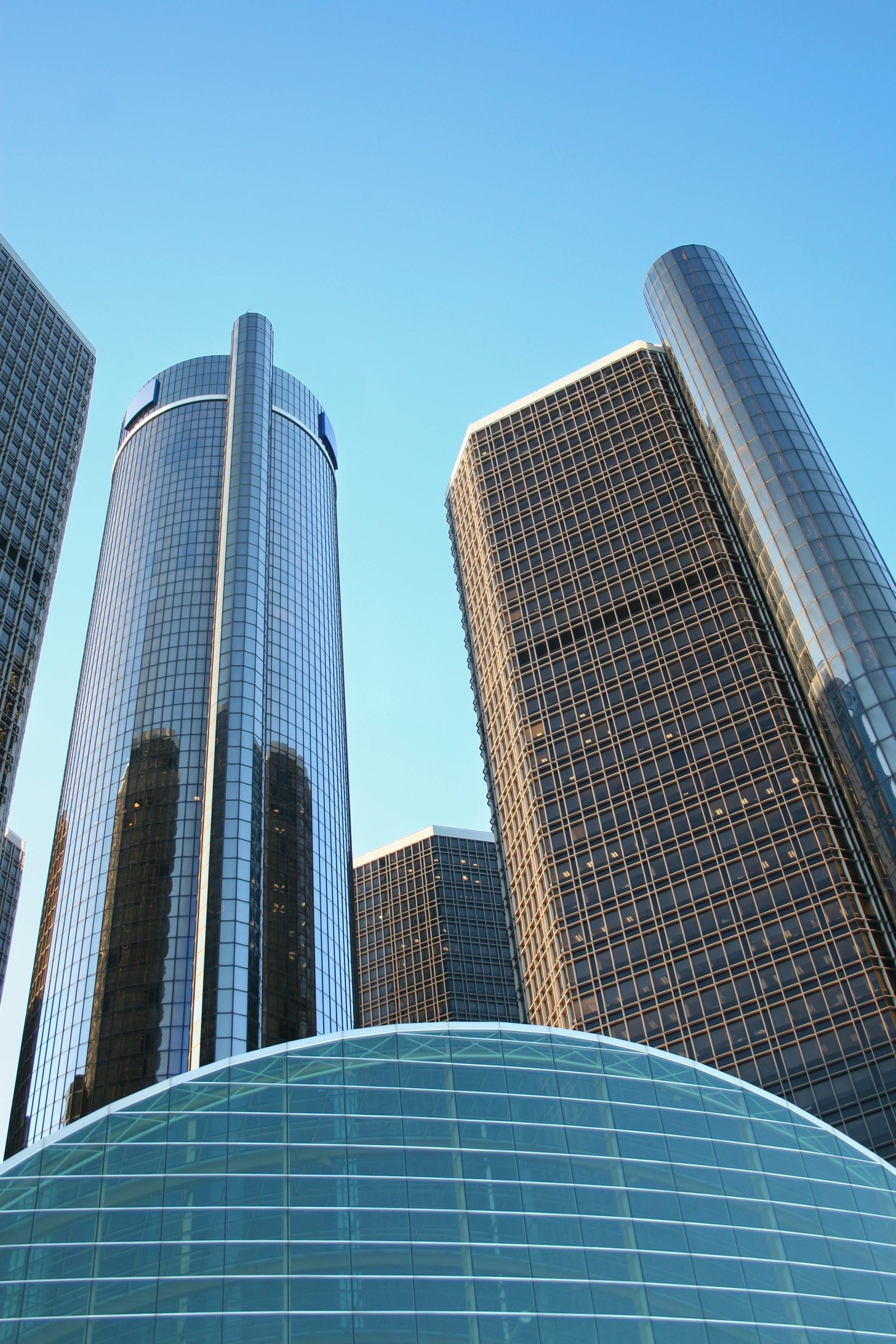
Detroit, once a thriving city known for its booming automotive industry and innovative architecture, now stands as a symbol of urban decay and economic struggle. The city's architecture tells a story of both prosperity and decline, reflecting the principles of economic welfare theory. In its heyday, Detroit was a hub of architectural innovation, with iconic skyscrapers and industrial buildings that showcased the city's wealth and progress. The art deco masterpiece of the Fisher Building and the modernist design of the General Motors Building are just a few examples of the architectural gems that graced the cityscape. However, as the automotive industry faced challenges and the city's population declined, Detroit's architectural landscape began to deteriorate. Abandoned factories, vacant homes, and neglected buildings became a common sight, highlighting the economic hardships that plagued the city. From the perspective of economic welfare theory, Detroit's architecture serves as a visual representation of the city's economic well-being. The once-grand buildings that now stand vacant and decaying reflect the loss of prosperity and the decline in economic welfare that Detroit has experienced over the years. Despite the challenges that Detroit faces, there is hope on the horizon. The city has seen a resurgence in recent years, with efforts to revitalize neighborhoods, attract new businesses, and preserve its architectural heritage. Adaptive reuse projects have transformed abandoned buildings into vibrant spaces for living, working, and leisure, breathing new life into the city. As Detroit continues its journey towards economic recovery, its architecture will play a crucial role in shaping the city's future. By preserving its rich architectural history and embracing new design and development opportunities, Detroit can once again become a shining example of economic prosperity and urban renewal. In conclusion, Detroit's architecture serves as a powerful reflection of economic welfare theory, depicting the rise and fall of a city through its built environment. By leveraging its architectural assets and fostering a renewed sense of economic vitality, Detroit has the potential to write a new chapter in its story of resilience and renewal.
https://tosanfrancisco.com
https://toseattle.com
https://todetroit.com
Leave a Comment:
SEARCH
Recent News
- Studying wildlife conservation at universities in the USA is a rewarding and influential path for those passionate about protecting our planet's biodiversity. With a wide range of specialized programs and research opportunities, students can gain the knowledge and skills needed to make a real difference in the field of conservation.
- Studying abroad is an exciting opportunity for many students looking to broaden their horizons and gain a unique educational experience. For those interested in pursuing a business degree, the United States offers a plethora of top universities known for their prestigious business programs. However, for those seeking a more diverse and international perspective, studying business in Vancouver, Canada can be a compelling alternative.
- Are you looking to further your education at prestigious universities in the USA? Do you want to explore business opportunities with the support of government programs in the UK? If so, you've come to the right place!
- Studying in the USA is a dream for many students around the world, and Tunisia is no exception. The universities in the USA are known for their high-quality education, diverse academic programs, and vibrant campus life. In recent years, the number of Tunisian students choosing to study in the USA has been increasing, as they seek to further their education and gain international experience.
- Exploring USA Universities and a Tunisian Travel Guide for Students
- Exploring the Best of Both Worlds: Studying at USA Universities and Experiencing Tunisian Hotels
- Studying abroad can be a life-changing experience, especially when it's at a top-notch university in an exciting city like Tokyo, Japan. For students from the USA looking to pursue studies in business, Tokyo offers a unique opportunity to immerse themselves in a different culture while gaining valuable knowledge and skills that can give them a competitive edge in the global job market.
- When it comes to pursuing a degree in theater, the United States is home to a wide array of prestigious universities that offer exceptional programs in the performing arts. From coast to coast, aspiring actors, directors, designers, and playwrights have the opportunity to develop their craft at some of the top educational institutions in the country.
READ MORE
10 months ago Category :

Studying wildlife conservation at universities in the USA is a rewarding and influential path for those passionate about protecting our planet's biodiversity. With a wide range of specialized programs and research opportunities, students can gain the knowledge and skills needed to make a real difference in the field of conservation.
Read More →10 months ago Category :

Studying abroad is an exciting opportunity for many students looking to broaden their horizons and gain a unique educational experience. For those interested in pursuing a business degree, the United States offers a plethora of top universities known for their prestigious business programs. However, for those seeking a more diverse and international perspective, studying business in Vancouver, Canada can be a compelling alternative.
Read More →10 months ago Category :

Are you looking to further your education at prestigious universities in the USA? Do you want to explore business opportunities with the support of government programs in the UK? If so, you've come to the right place!
Read More →10 months ago Category :
