Urban Redevelopment: Lessons from Detroit and Argentina
Category : | Sub Category : Posted on 2024-10-05 22:25:23
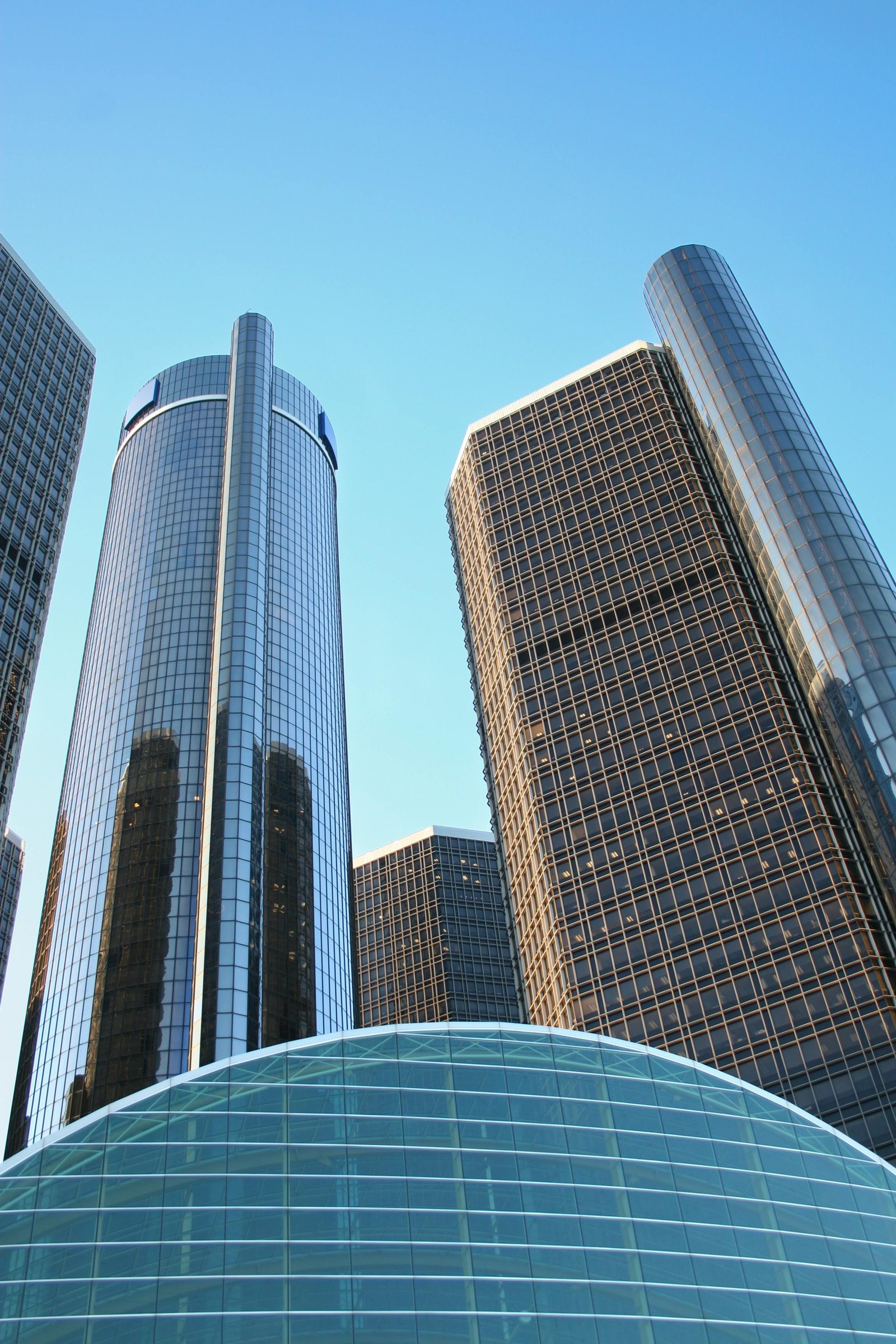
Urban redevelopment is a crucial process that aims to revitalize and transform urban areas to meet the evolving needs of the community and improve quality of life for residents. Detroit in the United States and Argentina are two regions that have faced challenges with urban decay and have embarked on ambitious urban redevelopment projects to renew their cities. Detroit, once the pride of the American automobile industry, suffered a decline in the latter half of the 20th century due to deindustrialization and population loss. This led to widespread urban blight, abandoned buildings, and economic hardship. However, in recent years, Detroit has been undergoing a remarkable transformation through innovative urban redevelopment initiatives. One of the key strategies employed in Detroit's urban redevelopment is adaptive reuse, which involves repurposing existing buildings for new uses instead of demolishing them. This approach not only preserves the city's architectural heritage but also minimizes waste and reduces the carbon footprint of new construction projects. For example, old factories have been transformed into industrial lofts, art galleries, and creative workspaces, breathing new life into neglected neighborhoods. In addition to adaptive reuse, Detroit has also focused on creating vibrant public spaces to foster community engagement and social interaction. Projects such as Campus Martius Park and the Dequindre Cut have revitalized formerly derelict areas, attracting residents and tourists alike. These green spaces provide opportunities for recreation, cultural events, and economic development, shaping a more inclusive and sustainable urban environment. On the other side of the globe, Argentina has also been grappling with urban challenges, particularly in Buenos Aires, its capital city. Like Detroit, Buenos Aires has faced issues such as urban decay, inequality, and inadequate infrastructure. However, the city has made significant strides in urban redevelopment through a mix of public and private initiatives. One successful urban redevelopment project in Buenos Aires is the transformation of the Puerto Madero waterfront district. Once a neglected port area, Puerto Madero has been revitalized into a bustling neighborhood with modern buildings, parks, and cultural amenities. This redevelopment has attracted new residents, businesses, and investment, positioning Puerto Madero as a vibrant hub of economic activity and cultural exchange. Moreover, Buenos Aires has embraced mixed-use development as a key urban planning strategy to create diverse and sustainable neighborhoods. By integrating residential, commercial, and recreational spaces within the same area, the city aims to enhance livability, promote walkability, and reduce dependency on private vehicles. This approach not only fosters social cohesion but also supports economic growth and environmental sustainability. In conclusion, the urban redevelopment experiences of Detroit and Argentina offer valuable lessons for cities around the world facing similar challenges. By embracing adaptive reuse, promoting public spaces, and adopting mixed-use development, urban centers can revitalize their neighborhoods, preserve their heritage, and build more resilient communities for the future. As we continue to navigate the complexities of urbanization, learning from successful urban redevelopment projects can inspire positive change and create more inclusive and sustainable cities for all.
https://tosanfrancisco.com
https://toseattle.com
https://todetroit.com
https://desencadenar.org
https://constructional.org
Leave a Comment:
SEARCH
Recent News
- Studying wildlife conservation at universities in the USA is a rewarding and influential path for those passionate about protecting our planet's biodiversity. With a wide range of specialized programs and research opportunities, students can gain the knowledge and skills needed to make a real difference in the field of conservation.
- Studying abroad is an exciting opportunity for many students looking to broaden their horizons and gain a unique educational experience. For those interested in pursuing a business degree, the United States offers a plethora of top universities known for their prestigious business programs. However, for those seeking a more diverse and international perspective, studying business in Vancouver, Canada can be a compelling alternative.
- Are you looking to further your education at prestigious universities in the USA? Do you want to explore business opportunities with the support of government programs in the UK? If so, you've come to the right place!
- Studying in the USA is a dream for many students around the world, and Tunisia is no exception. The universities in the USA are known for their high-quality education, diverse academic programs, and vibrant campus life. In recent years, the number of Tunisian students choosing to study in the USA has been increasing, as they seek to further their education and gain international experience.
- Exploring USA Universities and a Tunisian Travel Guide for Students
- Exploring the Best of Both Worlds: Studying at USA Universities and Experiencing Tunisian Hotels
- Studying abroad can be a life-changing experience, especially when it's at a top-notch university in an exciting city like Tokyo, Japan. For students from the USA looking to pursue studies in business, Tokyo offers a unique opportunity to immerse themselves in a different culture while gaining valuable knowledge and skills that can give them a competitive edge in the global job market.
- When it comes to pursuing a degree in theater, the United States is home to a wide array of prestigious universities that offer exceptional programs in the performing arts. From coast to coast, aspiring actors, directors, designers, and playwrights have the opportunity to develop their craft at some of the top educational institutions in the country.
READ MORE
10 months ago Category :

Studying wildlife conservation at universities in the USA is a rewarding and influential path for those passionate about protecting our planet's biodiversity. With a wide range of specialized programs and research opportunities, students can gain the knowledge and skills needed to make a real difference in the field of conservation.
Read More →10 months ago Category :

Studying abroad is an exciting opportunity for many students looking to broaden their horizons and gain a unique educational experience. For those interested in pursuing a business degree, the United States offers a plethora of top universities known for their prestigious business programs. However, for those seeking a more diverse and international perspective, studying business in Vancouver, Canada can be a compelling alternative.
Read More →10 months ago Category :

Are you looking to further your education at prestigious universities in the USA? Do you want to explore business opportunities with the support of government programs in the UK? If so, you've come to the right place!
Read More →10 months ago Category :
